Shatter, Snap, and Splendor: How Textural Contrast Became the Ultimate Hallmark of Dubai-Inspired Luxury Confectionery
There is a particular moment—familiar to anyone who has cracked through the lacquered surface of a properly caramelized crème—when sound and taste arrive simultaneously, and the experience becomes something more than eating. It becomes an event. In the most ambitious pastry kitchens across the United States, that moment is no longer incidental. It is engineered, rehearsed, and celebrated as the pinnacle of confectionery craft.
This is the texture revolution, and it is arriving in American luxury dessert culture with the full force of a movement that has long flourished in Dubai's extravagant food landscape. Where once the gold standard of fine sweets was defined by seamless smoothness—a mousse that dissolved without resistance, a ganache that yielded without protest—today's most coveted creations demand participation. They ask the diner to engage, to listen, and to feel the dessert as much as taste it.
The Arabian Inheritance of Contrasting Sensation
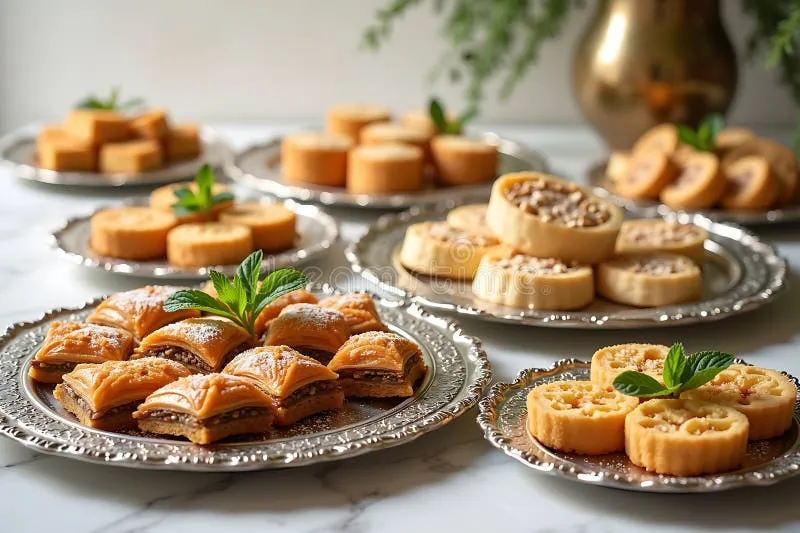
Dubai's confectionery traditions have always understood something that Western pastry culture is only recently beginning to articulate: that pleasure deepens when sensation is layered. Consider the architecture of a classic Gulf sweet spread. Dates arrive with their yielding, almost molasses-like flesh encasing seeds that provide subtle resistance. Baklava presents tissue-thin phyllo that shatters at the slightest pressure, giving way to a dense, honey-soaked nut interior. Qatayef, the beloved stuffed pancake of Ramadan tables, offers a crisped exterior that yields to soft, cheese-filled warmth within.
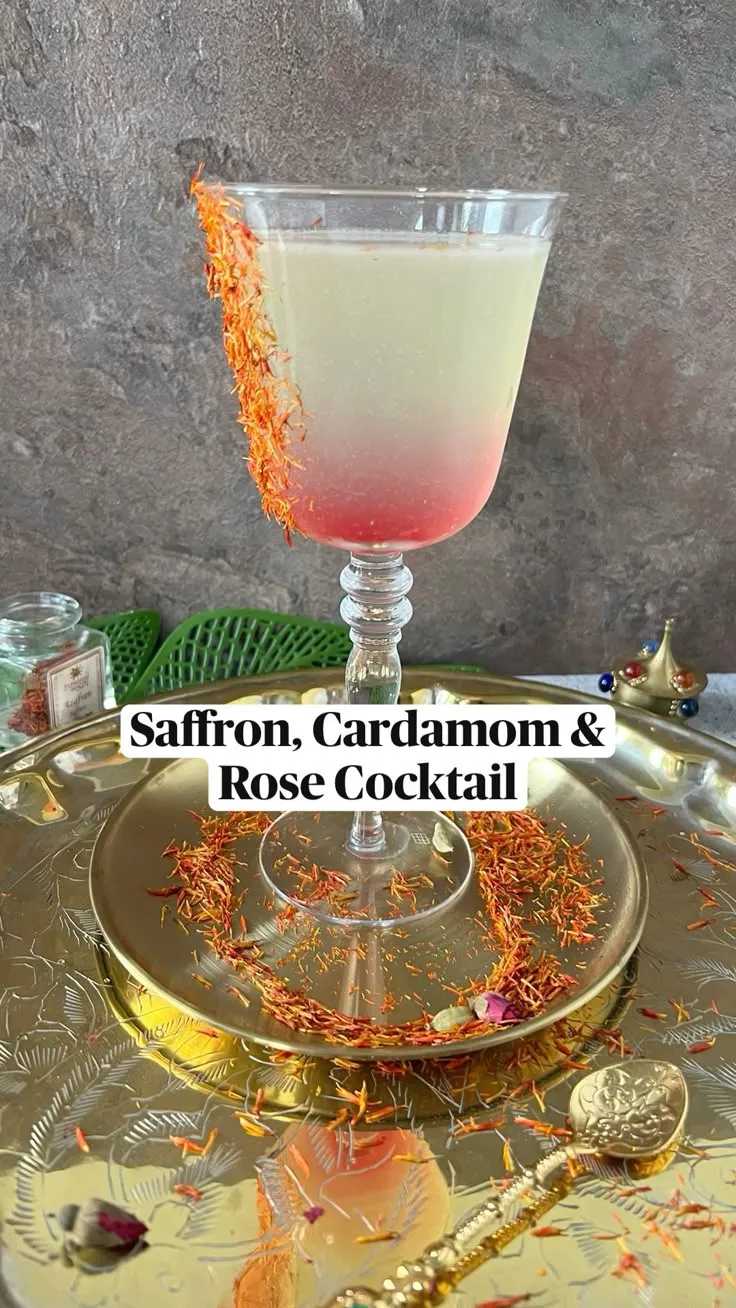
These are not accidental textural choices. They reflect a deeply ingrained culinary philosophy that prizes contrast as a form of sophistication—a philosophy that Dubai's contemporary pastry innovators have refined into something approaching high art. When American chefs and confectioners began importing the flavors of the Gulf—cardamom, saffron, rose water, and pistachio—they inevitably absorbed this textural sensibility as well. The results are transforming what fine desserts look, sound, and feel like across the country.
The Sensory Psychology of Why Crunch Commands a Premium
Food scientists and consumer psychologists have long recognized that texture is not merely a secondary characteristic—it is a primary driver of perceived quality and satisfaction. Research consistently demonstrates that multi-textural foods register as more complex, more crafted, and more indulgent than their single-texture counterparts. The brain, in processing the simultaneous signals of crunch, smoothness, and chew, interprets the experience as richer and more rewarding.
For the American luxury consumer specifically, this translates into a powerful association: textural complexity equals culinary intentionality. When a pastry chef presents a dessert that requires the diner to break through a brittle caramel lattice to reach a saffron-scented cream beneath, the very act of breaking signals effort, skill, and deliberate design. The crack of that shell is, in essence, the chef's signature rendered in sound.
This aligns with a broader cultural shift already underway in American fine dining, where the theater of experience has become as important as the substance of the meal. Multi-textural desserts are, in this sense, perfectly timed. They offer drama without excess, complexity without ostentation—a form of luxury that rewards attention rather than simply announcing itself.
Caramelized Shells, Candied Nuts, and the Architecture of Brittle
The specific textural vocabulary emerging from Dubai-inspired American confectionery is worth examining in detail, because it is strikingly cohesive. Caramelized shells—whether achieved through the classic torch technique of crème brûlée or through the more elaborate process of sugar-pulling and molding—have become a near-universal element. They provide that inaugural crack, the moment of entry that sets the experiential tone for everything that follows.
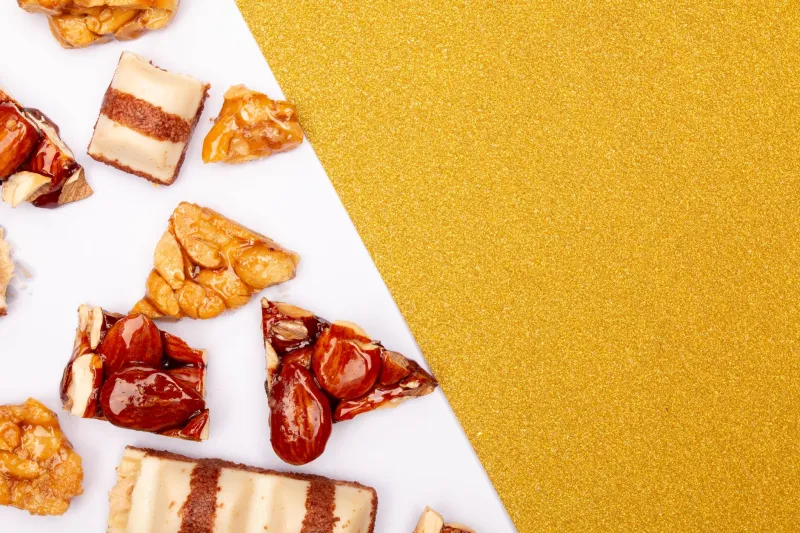
Candied pistachios occupy a particularly prominent position in this new textural lexicon. The pistachio, already beloved for its buttery flavor and vivid color, becomes something altogether different when candied: a jewel-like object that delivers both visual opulence and auditory satisfaction in a single bite. Dubai-inspired confectioners across Los Angeles, New York, and Chicago are incorporating candied pistachios not merely as garnish but as structural elements—embedded in chocolate bark, scattered across the surface of honey-glazed tarts, or pressed into the sides of layered cakes to create textured facades that catch light like mosaic tile.
Brittle layers—those gossamer sheets of caramelized sugar or sesame-studded toffee—serve a different purpose. They introduce an element of surprise and fragility, a deliberate vulnerability that makes the act of eating feel almost transgressive. Breaking through a brittle layer is an irreversible act; it transforms the dessert, and there is an undeniable pleasure in that transformation. Pastry chefs working in the Dubai-inspired tradition often incorporate brittle infused with Arabic spices—cardamom, black sesame, or even a whisper of oud-smoked sugar—ensuring that the textural experience arrives simultaneously with a burst of distinctive flavor.
Craftsmanship Made Audible
Perhaps the most significant cultural implication of this textural revolution is what it suggests about how American luxury consumers now define craftsmanship. For much of the twentieth century, the highest expression of pastry skill was invisibility—the ability to produce a flawlessly smooth surface that betrayed no evidence of the labor beneath it. Fondant cakes, mirror-glaze entremets, and perfectly piped mignardises all celebrated the chef's ability to conceal process behind pristine finish.
The Dubai-inspired textural movement inverts this entirely. Here, the evidence of craft is the point. A properly tempered chocolate shell that shatters cleanly requires precise temperature control and expert technique. A candied nut that retains its crunch without becoming cloying demands careful attention to sugar concentration and timing. A brittle that achieves genuine translucency without burning requires the kind of intuitive heat management that only experience can teach. These are not skills that can be approximated or shortcut, and the resulting textures advertise that fact to anyone paying attention.
For American consumers who have grown increasingly skeptical of visual spectacle alone—who have seen enough gold-leaf-covered novelties and towering Instagram confections to recognize when aesthetics are substituting for substance—this emphasis on tactile and auditory quality carries genuine credibility. It is luxury that can be felt, not merely photographed.
The Future of Feel
As Dubai's influence on American fine confectionery continues to deepen, the textural revolution shows every sign of accelerating rather than plateauing. Pastry chefs are exploring increasingly sophisticated techniques—freeze-dried fruit powders that dissolve into crunch, malt-glazed phyllo that maintains its shatter even after refrigeration, honey-pulled caramel that strings and snaps with theatrical effect at the table. Each innovation expands the vocabulary of sensation available to the diner.
What remains constant, however, is the underlying principle: that a dessert worthy of the word luxury must engage the full range of human perception. At Sweet Dubai, this philosophy is not a trend to be observed from a distance—it is the very foundation upon which premium confectionery is built. The crack of a caramelized shell, the resistance of a candied pistachio, the gossamer shatter of spiced brittle—these are not accidents of preparation. They are the language in which genuine craftsmanship speaks.
And increasingly, American luxury dessert culture is learning to listen.