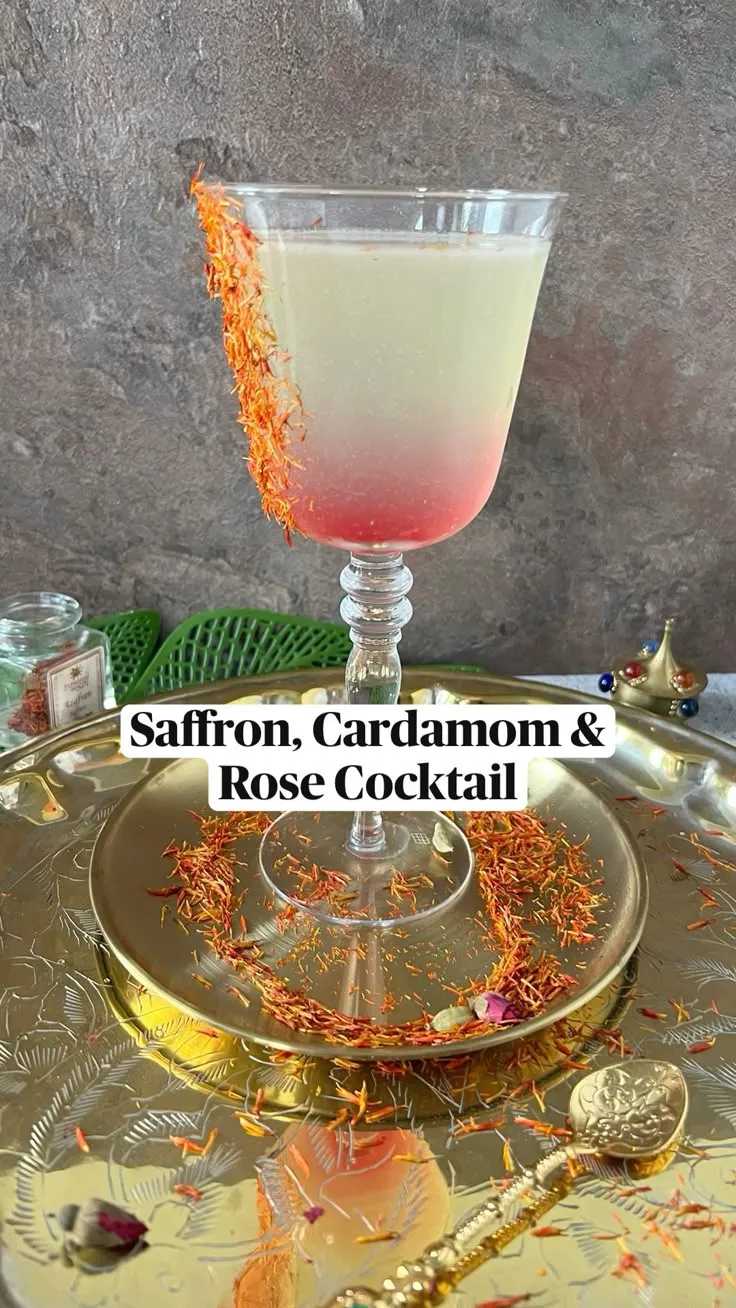
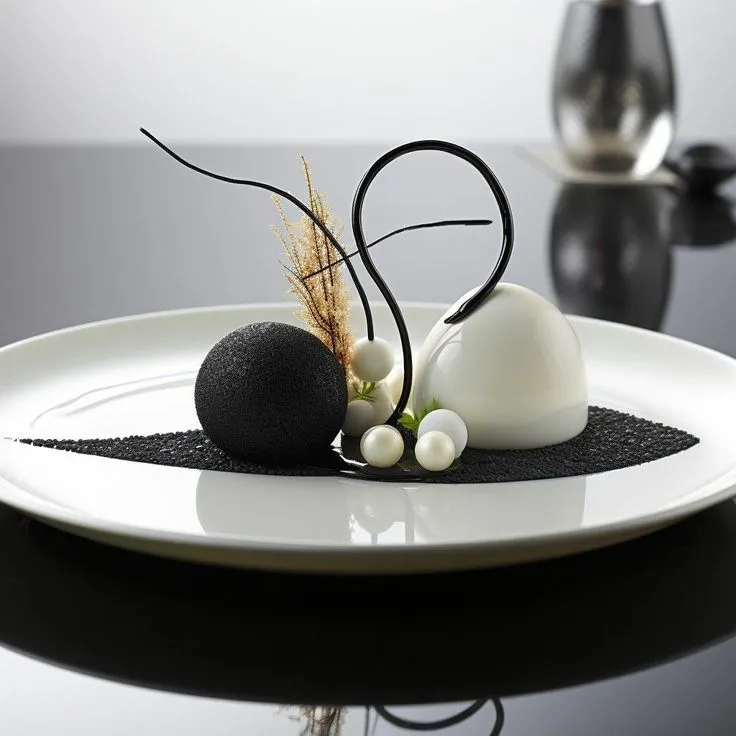
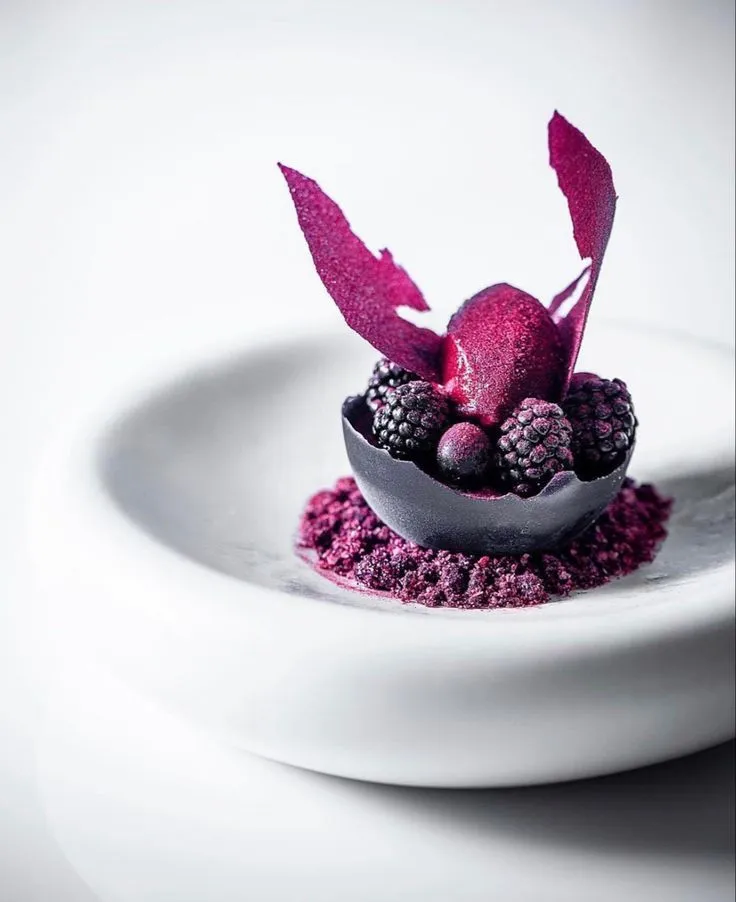
Salt, Herb, and Honey: How Dubai's Savory-Sweet Dessert Philosophy Is Rewriting the American Palate
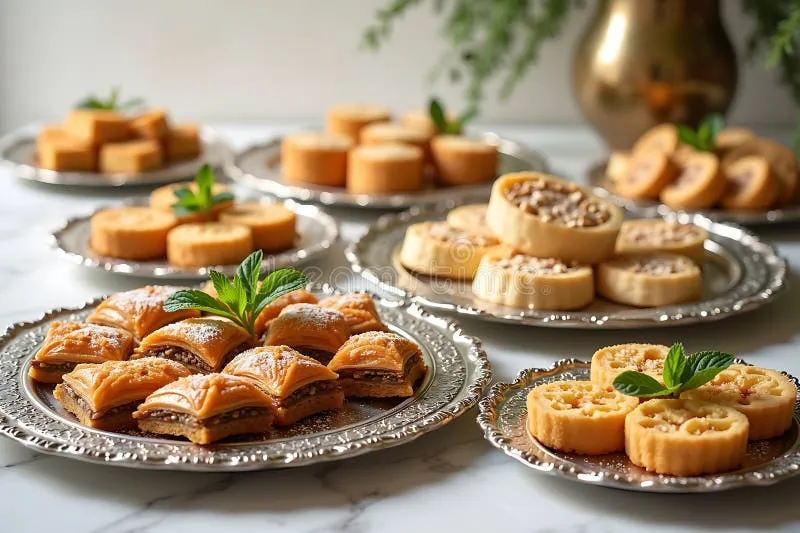
Photo: luxury Middle Eastern savory sweet dessert plating gold salt herbs Dubai fine dining, via thumbs.dreamstime.com
There is a moment — familiar to anyone who has sat at a fine table in Dubai — when a dessert arrives and confounds every expectation. The eye registers sweetness: a glistening pastry, a pale cream, a drizzle of amber syrup. Then the palate encounters something else entirely. A whisper of saffron-salted butter. The faint earthiness of dried thyme folded into a honey glaze. A tahini undertone that lingers long after the last bite. What the American diner might initially register as a culinary miscalculation is, in fact, the product of a flavor tradition far older and considerably more nuanced than anything born of the Western pastry canon.
That tradition is now arriving on American shores with considerable force — and the country's most sophisticated dessert consumers are paying close attention.
A Tradition Rooted in Complexity
The interplay of savory and sweet in Middle Eastern cuisine is not an affectation. It is an inheritance. Across the Gulf region, and nowhere more visibly than in Dubai's extraordinary contemporary food culture, desserts have long drawn from a pantry that defies tidy categorization. Rosewater and cardamom share space with aged cheeses and herb-infused oils. Date confections are finished with flaked salt and cumin. Semolina cakes are soaked in syrups that carry the faint bitterness of orange blossom alongside the deep, almost meaty richness of reduced pomegranate.
This culinary philosophy reflects a broader understanding of flavor — one that neuroscientists have begun to validate with increasing enthusiasm. The human palate, research now confirms, does not experience pleasure in a single register. Contrast, tension, and resolution are the architecture of memorable taste. When salt meets sugar, or when the vegetal bitterness of an herb interrupts an otherwise uncomplicated sweetness, the brain's reward pathways are engaged in ways that a straightforwardly sweet confection simply cannot replicate.
"Flavor complexity is not about confusion," explains one New York-based pastry chef who spent three years studying Gulf confectionery traditions before opening her own boutique. "It is about depth. When you taste something that has both sweetness and an opposing force — whether that is salt, bitterness, or an herbal note — you are not just tasting. You are experiencing."
The American Palate Encounters Resistance — Then Curiosity
For much of the twentieth century, American dessert culture operated on a relatively uncomplicated premise: sweetness was the goal, and more of it was generally better. The country's most beloved confections — the frosted layer cake, the chocolate chip cookie, the caramel sundae — were monuments to sugar's supremacy. Savory elements, where they appeared at all, were accidental rather than intentional.
The first stirrings of change came with the salted caramel movement of the early 2000s, a phenomenon so commercially successful that it briefly threatened to become its own cliché. What it demonstrated, however, was something genuinely significant: American consumers were not only willing to accept savory intrusions into their desserts — they were actively hungry for them.
From that foundation, the evolution has been swift and, in luxury circles, remarkably ambitious. White miso is now folded into high-end butterscotch sauces at Michelin-recognized restaurants from San Francisco to Chicago. Fermented black garlic appears in single-origin chocolate truffles sold at prices that would have seemed implausible a decade ago. Fresh tarragon and preserved lemon find their way into pâte de fruit at boutique confectioneries catering to clientele for whom novelty and refinement are inseparable.
Yet for all the creativity emerging from Western kitchens, the most compelling articulation of this flavor philosophy remains the one practiced in Dubai — where the tension between savory and sweet is not a trend to be adopted but a cultural grammar to be understood.
The Luxury Dimension: Why Complexity Has Become a Status Marker
Among affluent American consumers, the appetite for savory-sweet luxury confections carries a dimension that transcends mere culinary preference. Taste complexity, in certain social contexts, has become a form of cultural currency.
To appreciate a miso-laced dark chocolate bonbon — to understand its reference points, to recognize the fermented depth beneath the cocoa — signals a particular kind of sophistication. It implies travel, curiosity, and an education in flavor that cannot be acquired from a grocery store shelf. In the language of luxury consumption, it functions as a marker of distinction in precisely the way that a well-chosen wine or a bespoke garment might.
This dynamic is not lost on the pastry chefs and confectioners who are building their reputations on Gulf-inspired flavor complexity. "My clients are not coming to me for something sweet," observes one Los Angeles-based chocolatier whose work draws explicitly from Emirati and broader Gulf culinary traditions. "They are coming for an experience that tells them something about the world. A confection that incorporates za'atar, or sumac, or a date syrup reduction with a hint of dried lime — that is a conversation starter. It is also a genuine expression of a culinary heritage that deserves to be taken seriously."
The Ingredients Driving the Movement
Several specific ingredients have emerged as the primary vehicles for this savory-sweet dialogue in luxury American confectionery, many of them drawn directly from the Gulf pantry.
Tahini has moved well beyond its role as a hummus component to become a foundational element in high-end caramels, ice creams, and chocolate fillings. Its nutty bitterness and dense, almost savory richness make it an ideal foil for the sweetness of honey or date syrup.
Miso, while Japanese in origin, resonates deeply with the fermented, umami-forward flavor traditions of the broader Middle East and has found particular favor among pastry chefs seeking to add depth to caramel and brown butter preparations.
Dried herbs — thyme, za'atar, and even dried rose petals blended with savory spices — are appearing in ganaches and pralines, lending a botanical complexity that elevates otherwise conventional confections.
Sea salt sourced from artisanal producers, including those operating in the Gulf region itself, is being applied with increasing intentionality — not merely as a finishing touch but as a structural component of flavor design.
A New Grammar of Dessert
What is taking shape in America's most ambitious confectionery kitchens is not simply the adoption of Middle Eastern flavors. It is the gradual assimilation of a different philosophical approach to what dessert can and should accomplish.
In the Gulf tradition that Dubai so magnificently embodies, a sweet course is not a conclusion but a continuation — another movement in a long composition of flavor, texture, and sensation. The savory notes within a dessert do not contradict its sweetness; they give that sweetness meaning, context, and resonance.
As American luxury consumers grow more traveled, more curious, and more demanding of genuine complexity in their culinary experiences, that philosophy is finding fertile ground. The umami paradox — the apparent contradiction of savory elements within a sweet context — is resolving itself into something altogether more elegant: a new grammar of dessert, written in the language of Dubai and spoken, with growing fluency, across the American table.