The New Opulence: Why America's Most Discerning Dessert Lovers Are Choosing Restraint Over Spectacle
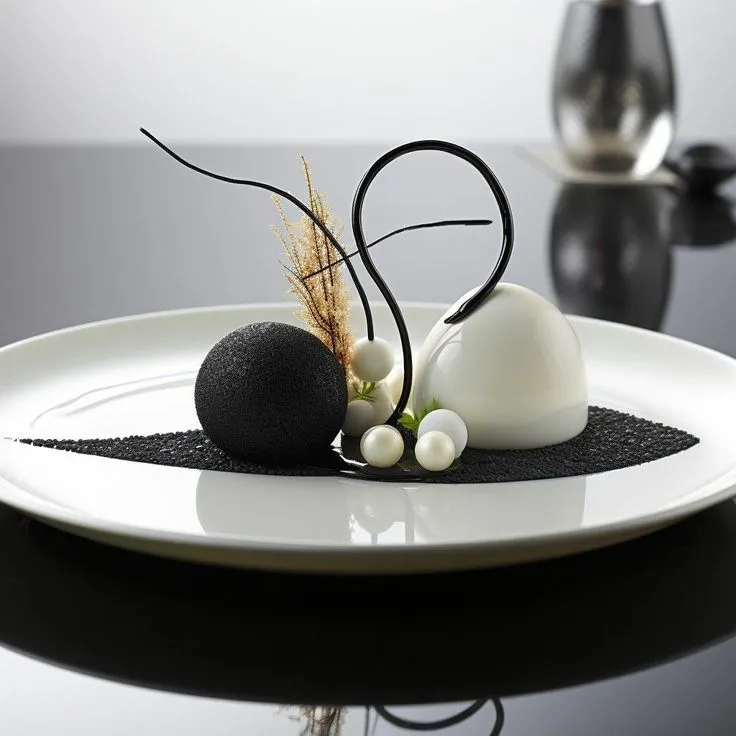
Photo: minimalist luxury dessert single ingredient elegant plating ceramic, via i.pinimg.com
For decades, the visual vocabulary of luxury confectionery was unmistakable: towers of spun sugar, cascades of edible gold leaf, and jewel-encrusted chocolates that announced their own importance from across a dining room. In Dubai, where the architectural ambition of the skyline once found its direct counterpart in the dessert case, this language of maximalism was not merely accepted — it was expected.
But something is shifting. Quietly, and with considerable intentionality, the emirate's most forward-thinking pastry ateliers are dismantling the very aesthetic that made them famous. And in doing so, they are sending a signal that America's most discerning dessert culture is beginning to receive with remarkable enthusiasm.
When Less Becomes the Ultimate Statement
The premise seems almost paradoxical at first. Why would a brand rooted in the grandeur of one of the world's most opulent cities choose to strip away ornamentation? The answer, according to those closest to the movement, lies in a fundamental reexamination of what luxury actually communicates.
"There is a certain confidence required to present a single, perfect thing," says one New York–based pastry consultant who has spent years studying the intersection of Gulf confectionery traditions and American fine dining. "When you cover something in gold, you are asking the gold to do the work. When you remove it, the ingredient has nowhere to hide — and that is a far more demanding standard."
This philosophy — ingredient integrity as the highest form of prestige — has become the defining characteristic of a new wave of dessert makers operating under what might be called the Dubai Minimalist ethos. It draws on a long-standing but underappreciated current within Gulf culinary culture: the reverence for a single date, perfectly ripened; a cup of qahwa, brewed with unhurried precision; a sliver of halva that requires no embellishment because its texture and depth speak entirely for themselves.
The American Appetite for Authentic Restraint
For American consumers, particularly those in the upper echelon of the luxury market, this shift resonates with a broader cultural turn. The same demographic that once measured status by visible logos has increasingly migrated toward what sociologists sometimes call "quiet luxury" — a preference for impeccable quality that reveals itself only to those who know where to look.
In confectionery terms, this translates to a growing appetite for desserts that reward attention rather than demand it. A chocolate bonbon whose ganache incorporates wild-harvested Yemeni sidr honey, presented in unadorned packaging of exceptional weight and texture. A single-origin pistachio cream served in a hand-thrown ceramic vessel, accompanied by nothing more than a pressed rose petal. These are not presentations that photograph easily or generate immediate gasps. They are, instead, experiences that deepen with consideration.
Several American luxury dessert boutiques — particularly those operating in cities such as San Francisco, Chicago, and Miami — have begun explicitly positioning themselves within this aesthetic framework, citing Dubai's avant-garde patisserie scene as a primary influence. The marketing language has shifted accordingly: words like "considered," "elemental," and "studied" now appear where "extravagant" and "opulent" once dominated.
The Ingredient as Icon
Central to this movement is the elevation of a single ingredient to near-iconic status. Where a maximalist dessert might incorporate a dozen components in visible competition with one another, the new restraint-forward approach asks one element to carry the full emotional and sensory weight of an experience.
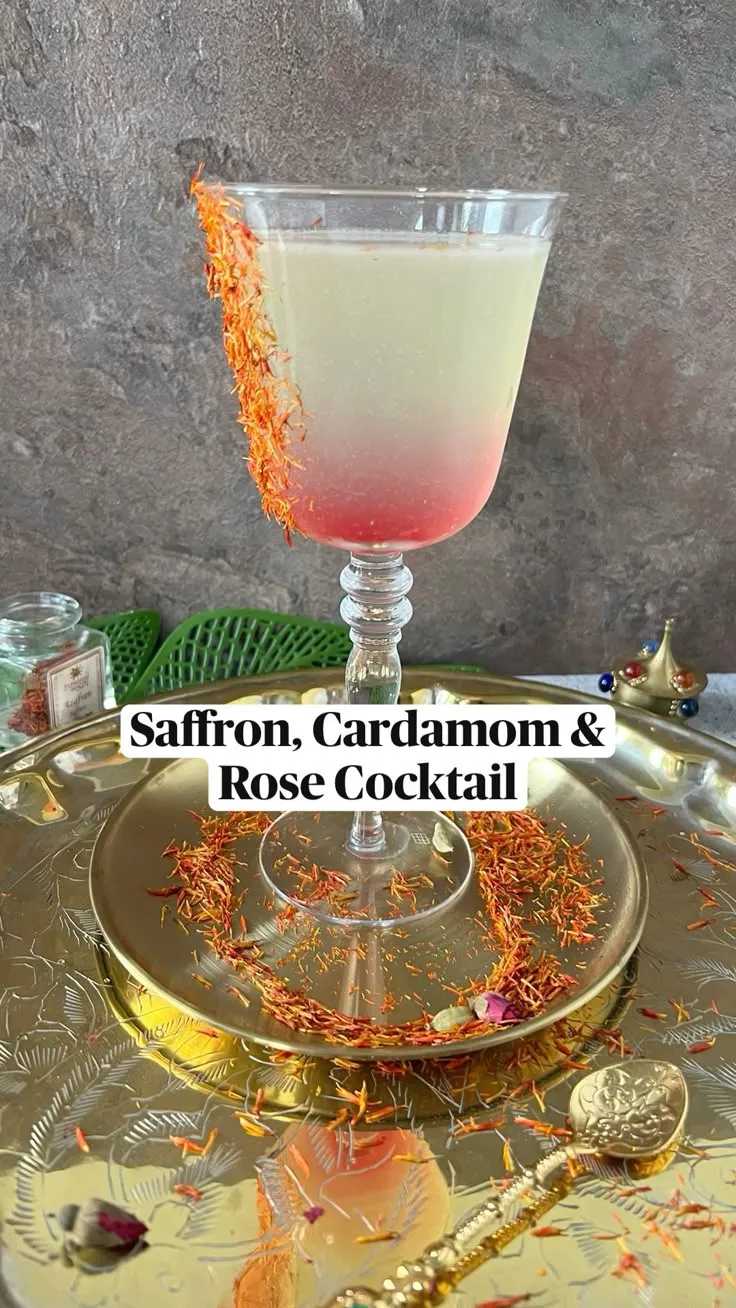
Saffron, long celebrated in these pages for its conquest of the American luxury confectionery market, serves as a compelling example. In its maximalist application, it appears as one note among many — a warm hue in a gold-dusted tart that also contains cardamom, rose, and pistachio. In its minimalist incarnation, it becomes the sole protagonist: a saffron panna cotta, trembling and pale gold, served without accompaniment in a room where the lighting has been calibrated to honor its color.
"The restraint is itself the message," observes one Chicago-based chocolatier who recently redesigned her entire collection around this principle after visiting Dubai's emerging minimalist patisserie district. "You are telling the customer: we trust this ingredient so completely that we are willing to bet the entire experience on it. That is a form of confidence that no amount of gold leaf can manufacture."
Sustainability as the New Status Symbol
The shift toward restraint carries an additional dimension that has proven particularly resonant with American luxury consumers: environmental consciousness. The maximalist dessert, by its very nature, involves accumulation — of materials, of labor, of packaging, of visual noise. The minimalist approach, almost by definition, tends toward a lighter footprint.
This is not incidental. Dubai's most progressive confectionery houses have been deliberate in connecting their aesthetic choices to sourcing practices that prioritize traceability, ethical harvesting, and reduced waste. Ingredients are fewer, but their provenance is documented with the thoroughness of a fine wine's appellation. The story of where something comes from — a specific date farm in the Liwa oasis, a family-operated saffron cooperative in Iran's Khorasan province — becomes as much a part of the luxury experience as the taste itself.
For American consumers increasingly attentive to the ethics embedded in their purchasing decisions, this alignment of aesthetic restraint and responsible sourcing represents a genuinely new kind of status marker. It suggests not merely that one can afford the finest things, but that one has thought carefully about what "finest" truly means.
A Quieter Kind of Grandeur
None of this signals the end of spectacle in luxury confectionery. Dubai's capacity for the extraordinary remains undiminished, and there will always be a place — and a market — for the dessert that announces itself with theatrical confidence. But the emergence of this counterintuitive current, one that locates its authority in precision and purposeful simplicity, represents a meaningful evolution in the language of luxury.
For American dessert enthusiasts willing to listen closely, the message from Dubai's most thoughtful ateliers is clear: the most sophisticated statement a confection can make is one that requires no elaboration. In a world saturated with noise, the dessert that whispers has become, perhaps, the most extravagant thing of all.