The Spice Behind the Crown: How Cardamom Conquered America's Most Prestigious Pastry Kitchens
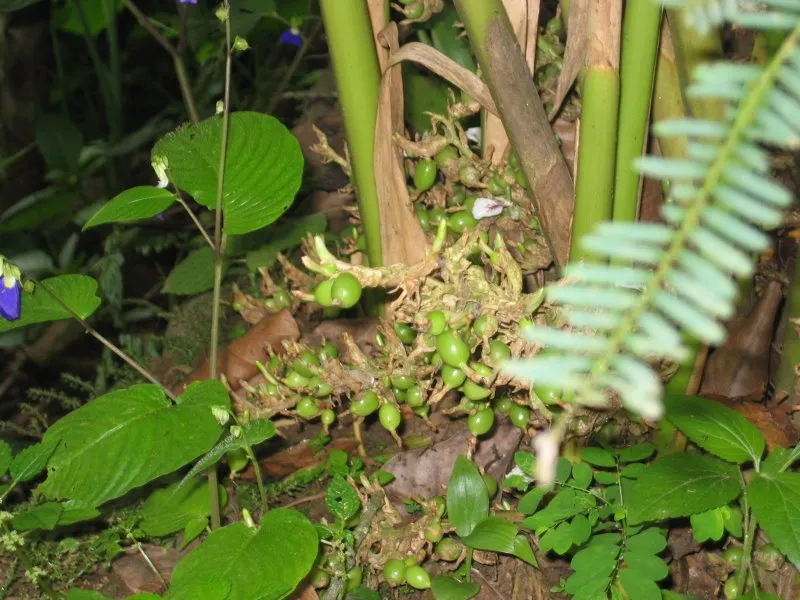
Photo: Rohini, CC BY-SA 3.0, via Wikimedia Commons
There is a moment in many great culinary movements when a single ingredient crosses an invisible threshold — from novelty to necessity. Cardamom, the small green pod that has perfumed Arabian coffee ceremonies and sweetened Middle Eastern confections for millennia, has reached that threshold in American luxury dessert culture. Walk through the kitchens of any number of Michelin-starred restaurants from Chicago to Charleston today, and you will find cardamom occupying a position of genuine prestige: measured in precise quantities, sourced from specific origins, and treated with the kind of thoughtful reverence that was, until recently, the exclusive province of saffron and fine vanilla.
The question worth asking is how this happened — and why now.
A Flavor Unlike Any Other
Cardamom's flavor profile resists easy categorization, which is precisely what makes it so compelling to sophisticated palates. It carries the warmth of ginger without its sharpness, the floral elegance of rose without its sweetness, and a eucalyptus-like brightness that lifts everything it touches. Elettaria cardamomum — the green variety most prized in confectionery — grows primarily in Guatemala and southern India, though the spice's cultural identity is perhaps most powerfully associated with the Arabian Peninsula, where it is inseparable from the ritual of qahwa, the spiced coffee that anchors hospitality throughout the Gulf.
In Dubai's confectionery tradition, cardamom is not a supporting note. It is the melody. From the cardamom-laced custards served at high-end hotel patisseries to the finely spiced date truffles sold in gilded boxes along Sheikh Zayed Road, the spice occupies a foundational role in the city's dessert vocabulary. American pastry chefs who have traveled to Dubai — or who have studied the region's culinary traditions with serious intent — have returned home with a transformed understanding of what this spice is capable of.
The Dubai Effect on American Palates
The influence of Dubai's food culture on American luxury dining has been building steadily over the past decade. As the city has positioned itself as a global capital of gastronomic ambition, its culinary exports have traveled with the affluent travelers, food journalists, and industry professionals who pass through its restaurants and hotel dining rooms. Cardamom, in this context, is not simply a spice — it is a cultural signifier, a taste memory that evokes the opulence and refinement of one of the world's most aspirational cities.
Pastry chefs working at the highest levels of American fine dining have been paying attention. The spice began appearing with increasing frequency in tasting menu desserts around 2018 and 2019, often paired with ingredients that amplified its complexity: dark chocolate from single-origin Venezuelan cacao, cold-pressed pistachio oil, hand-harvested fleur de sel, or the kind of aged honey that commands prices comparable to a fine Burgundy. These pairings were not accidental. They reflected a deliberate effort to position cardamom within a luxury flavor architecture — to signal to the discerning diner that what they were experiencing was something rare and considered.
From Exotic to Essential
What separates cardamom's current moment from previous flirtations with Middle Eastern flavors in American cooking is the depth of commitment now visible in professional pastry kitchens. This is no longer a garnish or a gesture toward global inspiration. Chefs are studying the spice's terroir — the differences between Guatemalan and Indian-grown pods, the impact of harvest timing on volatile oil content, the distinct characteristics of freshly ground versus pre-ground cardamom. The conversation has matured from "how do we use this?" to "how do we use this well?"
The comparison to vanilla is instructive. For much of the twentieth century, vanilla was treated as a background flavor — pleasant, familiar, and largely taken for granted. Then a generation of pastry chefs began insisting on Tahitian beans, on Madagascar single-origin extracts, on the nuanced differences between vanilla's many expressions. The market followed, and vanilla was reborn as a luxury ingredient. Cardamom appears to be following an identical trajectory, with one important distinction: its association with Dubai's gilded confectionery culture gives it an aspirational dimension that vanilla, for all its refinement, cannot claim.
The Luxury Market Responds
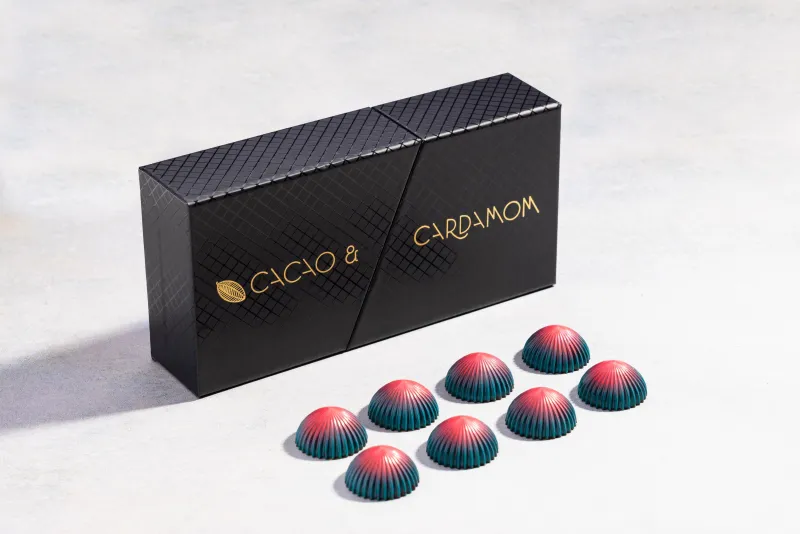
American consumers at the premium end of the confectionery market have proven receptive in ways that might have surprised industry observers even five years ago. Specialty chocolate makers in cities like Portland, Austin, and Brooklyn are featuring cardamom prominently in limited-edition collections, often with packaging and marketing language that explicitly acknowledges the spice's Arabian heritage. High-end gift confectioners are building entire product lines around cardamom-forward flavor profiles — cardamom caramels, cardamom ganache bonbons, cardamom-infused shortbreads presented in packaging that would not look out of place in a Dubai luxury mall.
The pricing reflects the ingredient's new status. Cardamom-forward confections at the premium tier command price points that would have seemed audacious for a spice-flavored product a decade ago. Consumers are paying, and they are returning — drawn by a flavor experience that feels simultaneously ancient and entirely contemporary.
What Comes Next
The trajectory of cardamom in American luxury confectionery suggests that the spice has not yet reached its ceiling. As Dubai's influence on global food culture continues to expand, and as American consumers grow more sophisticated in their engagement with Middle Eastern flavors, the demand for authentic, high-quality cardamom-forward desserts is likely to intensify. The chefs and confectioners who have invested in understanding the spice at a serious level are well positioned to meet that demand.
For those who have not yet made cardamom's acquaintance in its finest form, the invitation stands. A single bite of a properly made cardamom ganache — the spice ground fresh, the chocolate selected for complementary bitterness, the balance achieved with the kind of precision that only genuine expertise can produce — is enough to understand why the world's most discerning pastry kitchens have decided this ancient pod deserves a place among the great luxury flavors of our time.