Petals and Prestige: The Triumphant Return of Rose Water to the American Fine Dessert Table
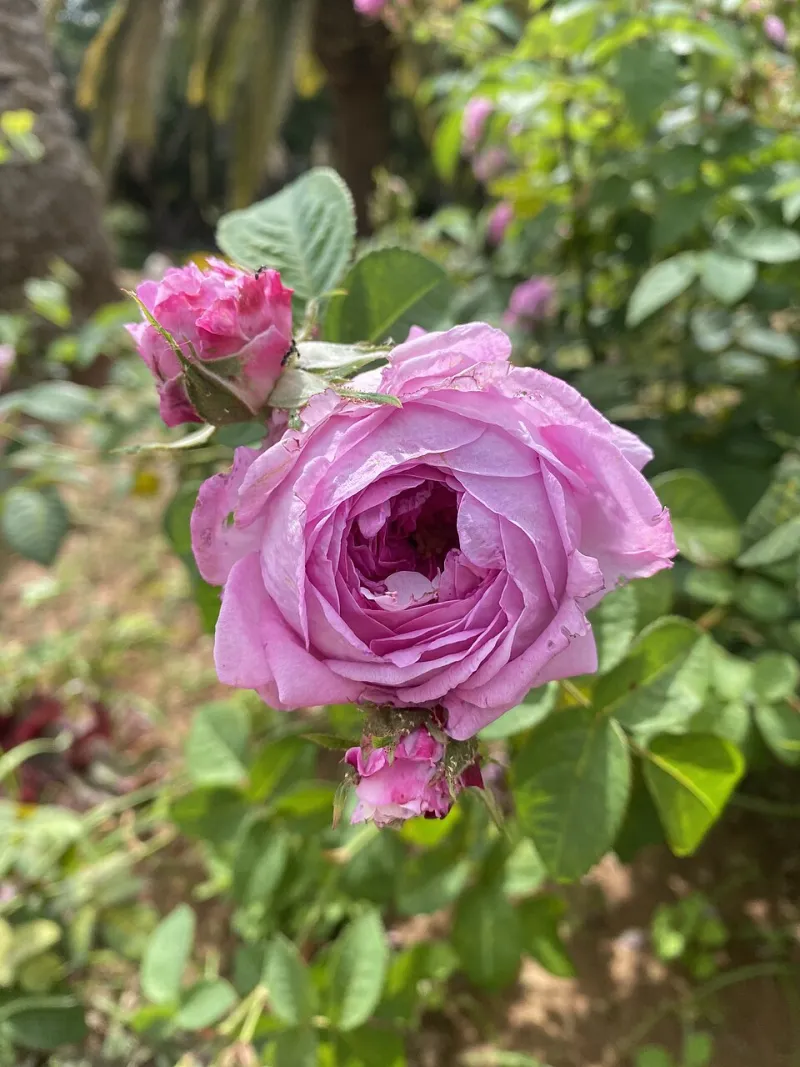
Photo: فاعلة صوتي, CC BY-SA 4.0, via Wikimedia Commons
For a long time, rose water occupied an awkward position in American kitchens. Home cooks who encountered it often used too much, producing desserts that tasted more like perfume counter than pastry shop. The result was a reputation problem — a flavor unfairly dismissed as cloying or old-fashioned, a relic of grandmotherly baking rather than a serious culinary tool. That reputation is now being systematically dismantled by a cohort of pastry professionals who understand what rose water can do when handled with discipline and intention.
The rehabilitation of rose water in American luxury desserts is not simply a trend. It is a recalibration — a recognition that one of the world's oldest confectionery ingredients has been misunderstood rather than exhausted. And the cultural tradition doing the most to reshape American perceptions of this ingredient is the one that has always understood it best: the rose-scented confectionery heritage of the Arabian Gulf, expressed most vividly in the dessert culture of Dubai.
Understanding the Ingredient
Rose water — produced by steam-distilling fresh rose petals, most often from the Rosa damascena variety — is among the oldest food flavorings in continuous culinary use. Its history in Middle Eastern confectionery stretches back centuries, threading through the pastry traditions of Persia, the Levant, and the Arabian Peninsula with a consistency that speaks to the ingredient's fundamental rightness in sweet applications. In Dubai's contemporary confectionery landscape, rose water appears in everything from the syrup that saturates layers of kunafa to the delicate Turkish delight sold in jewel-toned arrangements at luxury gift boutiques.
The key to rose water's proper use is restraint — a principle that experienced Arabian confectioners have always understood and that American pastry professionals are now internalizing. The ingredient is not a flavor in the way that vanilla or chocolate is a flavor. It is more accurately described as a presence: a quality of refinement that lifts other flavors and adds a dimension of floral complexity without announcing itself too loudly. Used correctly, it does not taste like roses. It tastes like the memory of roses — an impression rather than an assertion.
Technique as the Foundation of Excellence
For American pastry chefs approaching rose water seriously, the first discipline is sourcing. Not all rose waters are created equal, and the difference between a high-quality food-grade rose water produced in Bulgaria's famous Rose Valley or Iran's Kashan region and a mass-market product is immediately perceptible to any trained palate. Premium rose water carries a complexity — a depth that includes green, slightly bitter undertones beneath the floral sweetness — that cheap alternatives simply cannot replicate.
The second discipline is integration. Rose water disperses unevenly in fat-based preparations if added carelessly, which is one reason home cooks so often encounter the flavor in unpleasant concentrations. Professional technique involves incorporating the essence at specific stages of preparation: whisked into cream-based components before whipping, folded into sugar syrups at controlled temperatures, or added to ganache during the emulsification process when the mixture is most receptive to water-soluble flavor compounds.
The third discipline — and perhaps the most artistically demanding — is pairing. Rose water's floral character is amplified by certain ingredients and tempered by others. In Dubai's confectionery tradition, it is most frequently paired with pistachio, which provides an earthy, slightly saline counterpoint; with cardamom, whose eucalyptus brightness creates a complex aromatic chord; and with high-quality dairy, which carries the floral notes without competing with them. American pastry chefs working in the luxury tier are exploring these same partnerships, often with striking results: rose and pistachio mille-feuille, rose water panna cotta finished with a cardamom-scented honey glaze, white chocolate rose water truffles dusted with dried damask rose petals.
The Psychology of Floral Flavor
Rose water's resurgence in American fine dining is not purely a culinary phenomenon. It reflects a broader shift in how affluent American consumers relate to luxury flavor experiences — a growing appetite for ingredients that carry cultural weight and historical depth, that feel genuinely exotic without being inaccessible, and that signal a level of sophistication beyond the familiar canon of French-inflected pastry.
There is also a sensory dimension worth considering. Research in flavor psychology consistently demonstrates that floral notes in food trigger associations with premium experiences — perfume, fine cosmetics, high-end hospitality — in ways that more conventional flavors do not. For consumers who have encountered rose water in the context of a Dubai luxury hotel's afternoon tea service or a beautifully packaged Emirati confectionery gift, the flavor carries the weight of those associations. It does not taste merely sweet. It tastes expensive.
Regional Appetite Across the American Market
The embrace of rose water in American luxury confectionery is not uniform across the country, and understanding regional variation is essential for brands seeking to position rose-forward products effectively. Coastal markets — particularly New York, Los Angeles, and Miami — show the strongest early adoption, driven by consumer populations with direct experience of Middle Eastern food culture and a demonstrated willingness to pay premium prices for sophisticated flavor experiences. Interior markets are following, often led by the growing population of Americans who have traveled internationally and returned with expanded culinary expectations.
Luxury confectionery brands that have successfully introduced rose water products to the American market share a common strategic insight: the ingredient must be contextualized. Packaging, storytelling, and provenance matter enormously. A rose water chocolate truffle presented in plain cellophane is a curiosity. The same truffle in a lacquered box with gold detailing and copy that traces the rose's journey from a Damascus garden to a Dubai patisserie to the consumer's hands is an experience — and an experience commands a price that a curiosity cannot.
The Continuing Conversation
Rose water's return to American dessert culture is, in the most meaningful sense, not a return at all. The ingredient was never truly present in the American culinary mainstream — it was always peripheral, misunderstood, underestimated. What is happening now is not a comeback. It is an introduction, properly made at last, to an audience that has grown sophisticated enough to receive it.
For those working in the luxury confectionery space, the opportunity is significant. Rose water offers a genuine point of differentiation in a market crowded with chocolate variations and caramel permutations — a flavor that is simultaneously ancient and urgent, rooted in one of the world's most admired culinary traditions and perfectly suited to the contemporary American appetite for beauty, complexity, and the quiet pleasure of tasting something genuinely rare.