The Eloquence of Empty: How Dubai's Master Confectioners Are Turning Silence Into the Most Refined Course of All
There is a particular kind of discipline required to serve nothing. Not the nothing of oversight or indifference, but the nothing of intention—a carefully constructed interval of quiet that asks the guest to sit with what they have just experienced before the next revelation arrives. In Dubai's most exclusive confectionery ateliers, this practice has evolved from an incidental courtesy into a defining philosophy, one that is reshaping how luxury dessert culture understands the relationship between presence and absence.
For American diners accustomed to the abundance ethos—where more courses, more flavors, and more spectacle signal more value—the concept of a designed pause can feel disorienting at first. Yet those who have encountered it consistently describe the experience in the same terms: deeper, more resonant, somehow more complete. What Dubai's confectionery vanguard has understood, and is now quietly exporting to the global stage, is that the silence between courses is not empty at all. It is full of everything the guest has not yet processed.
The Architecture of Anticipation
To appreciate why strategic pause works, it helps to consider how the palate actually functions. Flavor perception is not instantaneous; it unfolds across time, building in layers as aromatic compounds travel, as temperature shifts, as the memory of a taste begins to crystallize into something the mind can name. When the next course arrives too quickly, it interrupts that process—layering new sensation over unfinished experience, creating what sensory researchers sometimes describe as perceptual crowding.
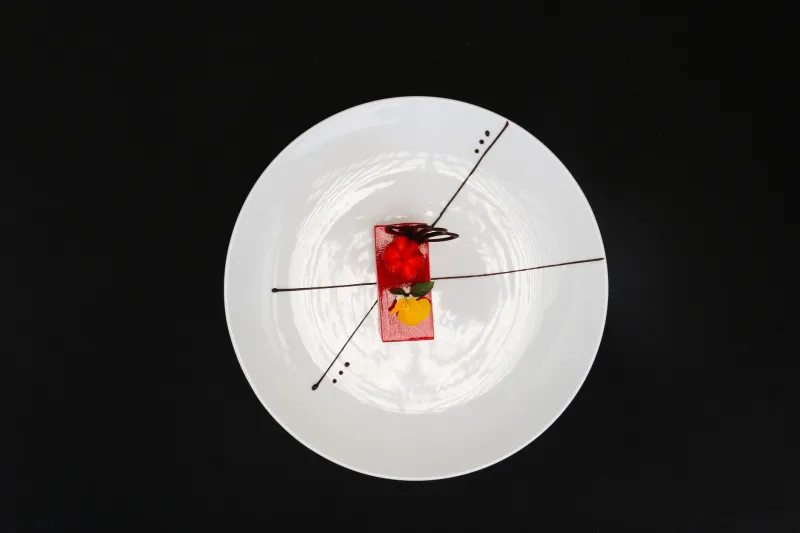
Dubai's most thoughtful confectioners have made it their study to understand exactly where those natural resolution points occur. At studios operating at the intersection of gastronomy and meditative design, the interval between a saffron-laced caramel and the course that follows it may be precisely calibrated—long enough to allow the warmth of the spice to fully recede, short enough to preserve the thread of anticipation. The pause, in this context, functions the way negative space functions in visual art: not as the absence of content, but as the frame that gives content its meaning.
Stillness as a Statement of Confidence
There is something quietly audacious about a confectioner who trusts their work enough to let it breathe. In a market environment where novelty and stimulation compete relentlessly for attention, the decision to slow down—to deliberately withhold the next sensation—requires a kind of institutional confidence that is itself a luxury signal.
This philosophy aligns with a broader cultural current that has been building momentum in the United States over the past several years. As American consumers across income levels have grown increasingly fatigued by the relentless pace of digital life, a counter-appetite has emerged: a hunger for experiences that ask for presence rather than reaction, for depth rather than velocity. The wellness industry recognized this shift early. The fine dining world followed. Now, the luxury confectionery space—long dominated by maximalist gestures and gilded excess—is discovering that restraint, properly executed, communicates something that spectacle simply cannot.
For American guests encountering Dubai-inspired dessert experiences at high-end tasting events, private dinners, or the growing number of domestic establishments drawing on Arabian confectionery tradition, the strategic pause often produces a moment of unexpected self-awareness. Suddenly, one notices one's own breath. One becomes conscious of the ambient temperature of the room, the texture of the linen, the faint trace of oud or rose that may have been present throughout but went unregistered until now. The pause does not merely extend the dessert experience; it expands the guest's capacity to inhabit it.
The Ritual Dimension
In the cultural context from which much of Dubai's confectionery philosophy draws its deepest roots, the act of pausing carries significant weight. The Arabic tradition of gahwa—the ceremonial serving of coffee, often accompanied by dates—is structured around intervals of deliberate quiet. Hospitality in this tradition is not measured by the volume of what is offered, but by the care with which each offering is presented and the space given for it to be received. A refill arrives only when the host senses the guest is ready; the pacing is an act of attentiveness, a form of respect.
Dubai's contemporary confectioners have absorbed this sensibility and translated it into the language of modern luxury gastronomy. The result is a dessert experience that feels, to those attuned to it, less like consumption and more like conversation—one in which both parties are listening as much as they are speaking. For American guests less familiar with this cultural register, the effect is often described as unexpectedly moving: a reminder that the most generous thing a host can offer is not simply abundance, but attention.
Translating Pause to the American Table
The practical question, for those wishing to incorporate this philosophy into domestic entertaining or professional pastry service, is one of execution. Strategic pause is not the same as slow service. The distinction lies in intentionality and in the signals communicated to the guest. An unexplained wait creates anxiety; a deliberate interval, properly framed, creates invitation.
Some practitioners achieve this through environmental cues—a subtle shift in ambient sound, the extinguishing of a small flame, the placement of a single aromatic element on the table that signals a moment of transition without demanding engagement. Others rely on the confidence of their presentation itself: a course that arrives with such quiet ceremony that the guest instinctively understands they are meant to receive it slowly.
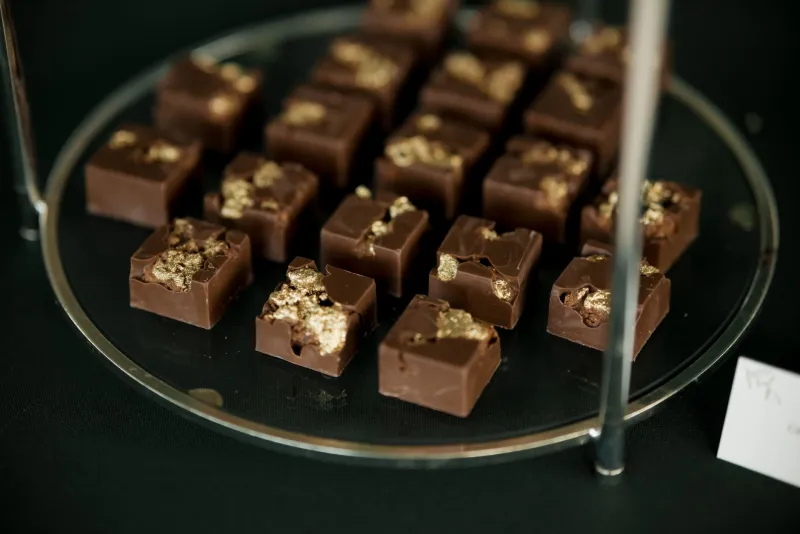
For home entertainers in the United States looking to bring this sensibility to their own tables, the approach need not be elaborate. Serving a single, exceptional piece of confection—a dark chocolate infused with cardamom and Medjool date, perhaps, or a delicate rosewater panna cotta finished with edible gold—and then simply allowing a few minutes of unhurried conversation before the next course arrives can produce a version of the same effect. The key is resisting the impulse to fill every moment. The silence, it turns out, is doing work.
What the Pause Teaches
Ultimately, Dubai's strategic pause philosophy offers American luxury culture something more than a new dessert format. It offers a reframing of what it means to provide an exceptional experience. In an era when the instinct is to add—more courses, more flavors, more activation—the most counterintuitive and, increasingly, the most coveted gesture is to subtract.
To pause is to say: what you have just tasted deserves your full attention. It is to acknowledge that pleasure, at its most sophisticated, is not a sequence of stimulations but a process of absorption. And it is to trust, as Dubai's finest confectioners have come to trust, that the guest who is given space to feel something deeply will remember it far longer than the guest who is simply given more.
In the golden city's most celebrated studios, silence has become a signature. It is, perhaps, the most eloquent one of all.